Advantages
- Predicts injury risk proactively, moving beyond reactive post-injury diagnostic approaches
- Enables continuous real-time risk monitoring seamlessly through compatible wearable sensor technology
- Delivers up to 95% predictive accuracy using advanced machine learning classification models
- Extends beyond ACL injuries to monitor and predict other musculoskeletal injury risks
Summary
ACL injuries leave athletes, military personnel, and active individuals facing severe, long-term biomechanical deficits and a heightened risk of early-onset osteoarthritis. Yet current diagnostic approaches remain entirely reactive, relying on physical examinations and imaging only after the ligament has already torn. With no tools to detect imminent failure in real-world environments, practitioners cannot intervene before catastrophic, lifelong damage occurs.
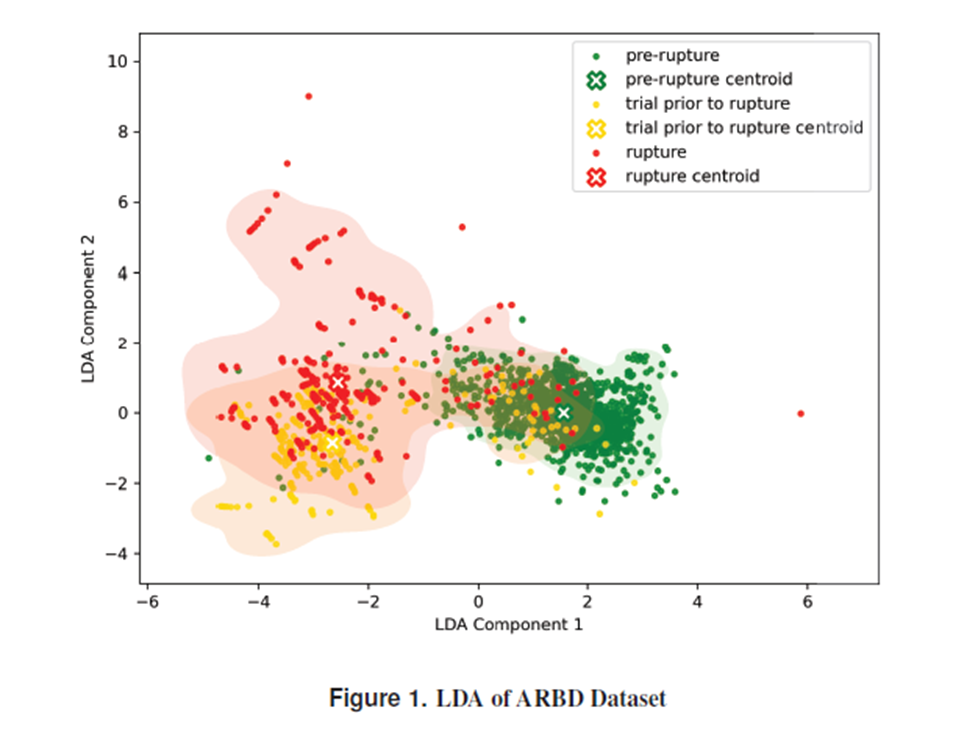
This machine learning system shifts ACL injury management from reactive to proactive by analyzing early-phase biomechanical forces in the first milliseconds of ground contact. It translates complex multiplanar load data into a streamlined feature set compatible with wearable sensors, enabling continuous, field-deployable risk monitoring. Its binary classification approach merges pre-rupture and rupture states to enhance model robustness, delivering a practical, real-time feedback mechanism that helps protect athletes and military personnel before injury strikes.
Desired Partnerships
- License
- Sponsored Research
- Co-Development